Communication Center
Better Understanding Extinguishers
We see fire extinguishers every day, but how well do we understand them? Would the average Joe even know that fire extinguishers have a class? More than likely, very few people would know what class fire extinguisher that they have. In the case of a fire related emergency knowing where your extinguisher is and how to operate it can be a home, business or life saver. A fire can spread a lot in the time it takes for firefighters to arrive. Owning and operating a fire extinguisher is an essential skill that everyone should have. In this video, well analyze the Ansul Multi Purpose ABC Rated fire extinguisher. With its Class rating of ABC it is designed to handle any general fire that you are likely to encounter. So, what does each class mean? Class ABC extinguishers can handle the following types of fire. Class A extinguishers are made to handle ordinary materials such as plastic, cardboard, wood and paper Class B fires involve combustible or flammable liquids such as Grease and oil fires
Fire Safety Training with No Hassle

The last time you probably participated in Fire Training was during your school years, when teachers would review, step by step, what to do and where to go in case of a fire. The school would also hold at least 1, if not 2, unannouced practice fire drill during the school year. After you leave school you typically no longer receive any type of formal fire safety training, unless youwork for an organization that requires an annual fire safety review by itself or as part of a workplace emergency and evacuation plan or fire safety protocols are imperative to your profession or job. Regardless of the industry you are in, fire safety training should be a vital part of your company. Regular fire safety training will help keep your employees, patrons, and assests safe. There are several basic components that EVERY employee should be familier with, including the following: Fire Alarm Loactions Fire Exits Sprinkler Systems Fire Extinguisher types, locations, and how to properly
Fire Sprinkler Freeze Failures

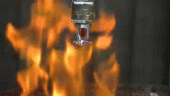
A Sprinkler Freeze Failure Scenario Sprinkler systems can malfunction when temperatures drop. When any portion of a sprinkler system is exposed to freezing temperatures, water in the piping can turn to ice, expand in volume, and produce thousands of pounds of pressure. The pressure can force sprinklers to operate and break fittings. As a result, water leaks or is discharged from the system when the ice thaws. Normally sprinkler system failures, due to freezing, arent discovered until after the water starts to cause damage because it is discharging. After a water discharge from a sprinkler system, building owners face property damage, business interruption, and irate tenants and customers. Most fire sprinkler contractors have the ability to eliminate the chances of a freeze failure with proper installation, but to make sure it never happens, building owners also need to be involved. Wet System Freeze Failures Most sprinkler systems are wet pipe systems, meaning that the piping is
In Between Inspections? Best Tips to Keep Your Sprinkler Safe

Sprinkler systems are an essential part of keeping your employees and property safe. Sticking to your inspection cycle is keyinassuring you sprinkler is functioning properly. However, in between those inspections our technicians are not there to safeguard your system from some common mistakes. PREVENT FREEZING With winter creeping up on us this is a major concern and can cost your business a hefty amount of money. Even though it is economical to turn the heat down in your facility when employees are not present it could cause a colossal problem. The water in those pipes start to freeze. Initially this will cause obstruction, hindering the flow of water, but this can quickly lead to eruption of those pipes. You can easily avoid this by making sure the air temperature around those pipes is above freezing. Pipes in attics and stairwells are more susceptible to this, just make sure that the auxiliary heaters are turned back on in these locations and
Understanding Fire: The Fire Triangle
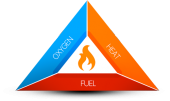
When learning facts about fire, there are three things you must understand: Fuel, Heat and Oxygen. If one of these three components are missing, a fire cannot ignite or grow to any significance. Lets briefly take a look and explore each component. Fuel: Fuel for fire is any kind of combustible material. Examples of combustible materials include: paper, oil, woods, gases, fabrics, liquid, plastics, and rubbers. Fuel is characterized by its moisture content, size, shape, quality and the pattern in which it spreads. Moisture content determines how easily it will burn. Heat: A heat source is responsible for the initial ignition or start of a fire. A heat source can be generated by a cigarette, electrical current or portable heater. Heat is needed to maintain a fire and it also enables them to spread. Heat allows fire to spread by drying out and preheating nearby fuel and warming surrounding air. Oxygen: Air contains approximately 21 percent oxygen. Most fires only require
Fire Extinguisher History
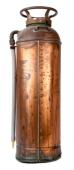
Believe it or not, not only are fire extinguishers an important part of our everyday safety, they are an important part of our history as well! If you are as curious as we are at County Fire Protection, you have probably wondered how these bright red powerhouses have come to be a staple in homes and businesses worldwide. Here are a few highlights of how fire extinguishers developed and changed throughout the decades. 200 B.C. - Ctesibius of Alexandria crafted a hand pump designed to deliver water to fires. This method replaced the cumbersome technique of passing buckets from hand to hand to transport water to fires. The Middle Ages Devices called squirts were developed which worked like bicycle pumps. These were used on the 1666 Great Fire of London. 1819 Captain George Manby invented the first version of the modern portable fire extinguisher. It was made of copper vessel which sprayed potassium carbonate solution using compressed air. 1912 An extinguisher model using carbon
Fire Pit safety
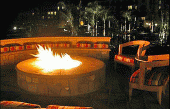
Home and business owners are increasingly adding fire pits to their outdoor spaces. Fire pits are gaining popularity as they can be used year round, in hot and cold weather, as a gathering space. If you are considering adding a fire pit to your backyard or outdoor office space, there are several things that need to be considered including location, fuel type, and most importantly, safety. Where should I place my Fire Pit? Great question! Before deciding where to place your fire pit, you will need to determine whether you will be placing a permanent fire pit, or a portable fire pit. Once you have determined whether you will have a permanent or portable fire pit, you will need to decide where the best placement is. When deciding where to place your fire pit, the most important thing to consider is safety. Fire pits should be placed at a minimum of ten feet away from your house or building and also neighbors yards. In addition to placing the fire pit a safe distance away from your
Fire Safety and Your Students College Experience

As Summer 16 comes to a close, thousands of young people and their parents are getting prepared to head off to being or continue their adult lives in college. Many will house in an apartment, while the majority will settle inside a University dormitory. While this is an exciting time for college students and their parents, there are some issues to be aware of and to ask about! When moving your student into his/her dorm room, there are several fire safety questions that should be asked to your RA (resident advisor) or dormitory director to ensure your childs safety during their upcoming semester. Here are a few GREAT questions you or your child can/should ask. 1.Does each room have its own smoke detector? The answer should be a resounding yes. Your College or University should also be able to provide the last completed service date of all the dormitory alarms should you want to know that information. 2.Are the dormitory hallways and common recreation areas equipped with a fire
How to use your fire extinguisher

At County Fire Protection, we carry a variety of commercial portable fire extinguishers to meet all of your safety needs. The right fire extinguisher for the right fire. Fire extinguishers come in a wide variety of types, each one designed to put out a different kind of fire. A classification systems have been developed to help users know what sort of extinguisher theyre working with. Most fire extinguishers for homes and public spaces areclassifiedas Class ABC extinguishers, meaning theyre suitable for putting out wood and paper fires,flammableliquid fires,andelectrical fires. Do you know how to use your fire extinguishers If possible, position yourself with your back to an unobstructed exit so that you can get out quickly if you need to. The discharge range for extinguishers can run from 6-20 feet (know your extinguishers range beforehand), and you want to be far enough away to not be in danger of being burned, and close enough that the discharge will be effective. To
Workplace Combustibles: Preventing Fire in the Workplace
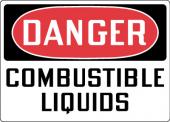
Every year fires break out in workplaces across the country resulting in serious damage to property and even injury and death. In the U.S. each year there are around 100,000 non-residential fires reported, with a significant portion of these fires occurring in the workplace. These fires account for approximately 60 deaths, 1200 injuries and more than $2.6M in structural damages each year. There are a variety of reasons why these fires break out, although many are due to negligence and could be prevented with more care and attention. One of the best ways to protect your business against fire is to educate your staff on the causes of fire and encourage them to be vigilant and report any potential fire hazards, so that they can be dealt with swiftly. Although each working environment is different, here are some common workplace fire hazards that you should look out for and how to reduce the risk of them causing a fire. Waste and combustible material In many workplaces, in particular

Contact Us

